

Teenagers face rising online risks but few report abuse
Death threats, bullying, hateful messages, sexting and requests for intimate photos are just a few of the risks young schoolchildren encounter online, according to a national survey among schoolchildren aged seven to 16.
The study, part of the Promoting Online Protection Project (P.O.P-UP), found that more than just over half the students (51 per cent) received unwanted or inappropriate online messages, raising renewed concerns about children’s safety in digital spaces.
And, while awareness of online abuse remains high, with 87.3 per cent of children saying they have heard of the term, this has not translated into meaningful harm reduction or increased reporting. Among those who experienced online abuse, only 41.4 per cent sought help, meaning the majority remained silent.
This nationally representative survey was conducted in 2025 among 395 students across Malta’s state, church and independent schools by Misco International and commissioned by the Malta Foundation for the Wellbeing of Society. It follows the first national survey carried out in 2023 to assess awareness of online abuse among students.
Its publication is timely, coming as the government last month launched a Green Paper on social media, opening a public consultation aimed at strengthening protections for children, adolescents and vulnerable people.
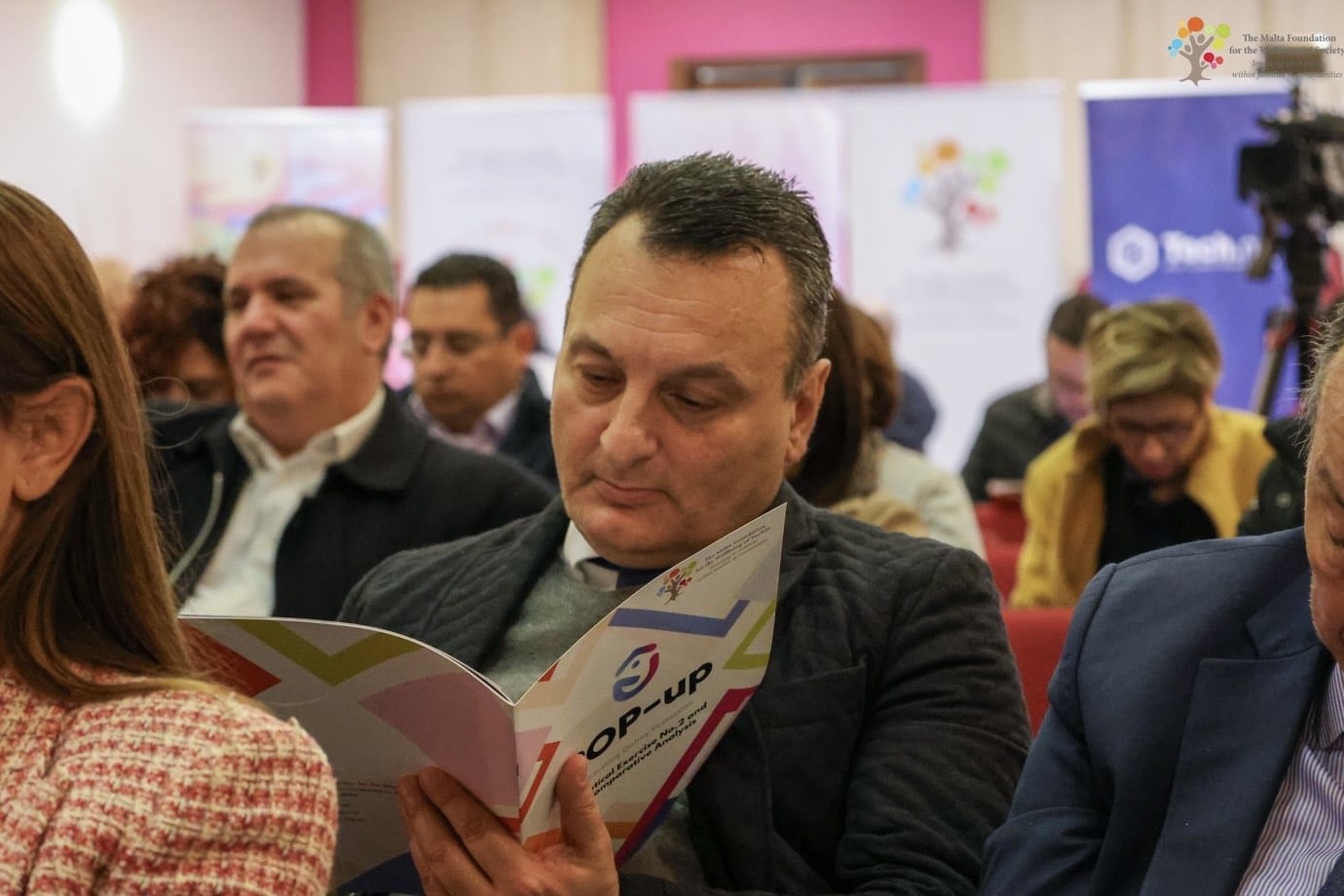
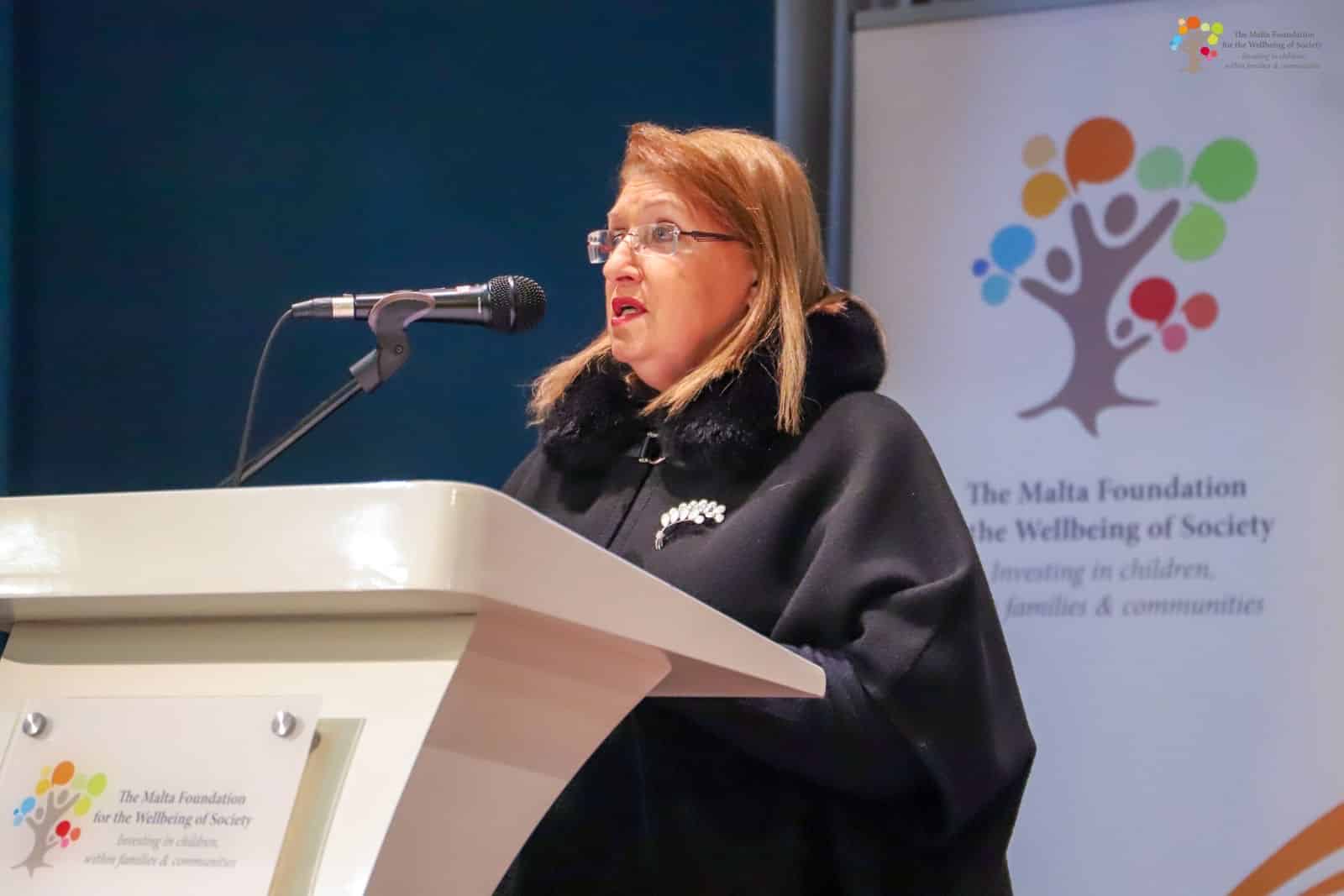
Unveiling the findings during this morning’s P.O.P-UP conference, held to coincide with Safer Internet Day, MFWS chair Marie-Louise Coleiro Preca, said the results highlight the need for stronger, coordinated protection for children in digital environments.
“The evidence shows a clear paradox: as children grow older, they become more digitally skilled and more aware of online abuse, yet at the same time more exposed to risk and less likely to seek help.
“Awareness alone is not enough. These findings must galvanise all of us — families, schools, policymakers and digital platforms — to move beyond incremental change and build a coordinated system that genuinely protects children online,” she said.
Compared with the 2023 study, the new findings show that children’s digital engagement has become sustained and structural rather than temporary, with high screen time levels remaining unchanged and increasing among older teenagers.
Awareness of online abuse has improved modestly, particularly in recognising more explicit forms of harm, but the prevalence of unwanted online contact has not declined,.
The 2025 shows that 32 per cent of students spend four hours or more online daily, while 67 per cent feel comfortable being online alone; a figure that rises significantly among older adolescents.
In terms of social media platforms, WhatsApp remains the most widely used (69 per cent), followed by online gaming (61 per cent) and email (just over 50 per cent).
The research also highlights persistent risky behaviours despite high awareness levels. One in five students (21 per cent) reported making friends online with people they do not know personally, while others admitted to sharing passwords (12 per cent) or posting content they later regretted (10 per cent).
Notably, 30 per cent of students said they do not know where or how to get help if they experience online abuse.
Reflecting on the findings, Ms Coleiro Preca called for a strategic shift from awareness-raising to behaviour-focused education, strengthened reporting pathways for adolescents, and coordinated national action involving schools, families, child protection services and digital stakeholders.
“Taken together, the two studies carried out two years apart confirm that child online protection is a system-wide safeguarding challenge. The findings are not an endpoint; they are a compass, guiding us towards a future where children’s wellbeing is firmly placed at the centre of Malta’s digital journey.”
- February 5, 2026 No comments Posted in: Education Tags: MFWS, Pop-Up
Related posts
-

Students’ drawings reveal growing awareness of digital dangers March 1, 2026 | No comments
Close to 500 schoolchildren tapped into their creativity to draw cautionary scenes about online safety as part of a nationwide art competition across Malta’s schools, aimed at inspiring action and policy changes through visual storytelling.
-

Free after-school tuition expanded to reach more disadvantaged primary students March 1, 2026 | No comments
Free after-school tuition for children from disadvantaged families is being extended to two additional state primary schools as the IDEA Education Support Programme this year expands its reach to students in five schools.
-

IAM calls for average speed cameras and tougher penalties to curb dangerous driving February 13, 2026 | No comments
The Insurance Association Malta is calling for the introduction of average speed cameras and stiffer penalties for repeat offenders to thwart drivers from using Malta’s roads as “race tracks”.
-

Blossom Project expands permanent counselling services for children in four new primary schools January 26, 2026 | No comments
The Blossom Project is accelerating its mission to strengthen student mental wellbeing, and is extending its permanent counselling services to four new primary schools, ensuring more children receive the support they need to thrive.
